Morality is not Good versus Evil - The Board Game Alignments
Morality for entities is how they think, act and respond to the world. Morality is an orientation; it does not define them as "good" or "evil"...


Mythopouch Morality - It’s Not Good vs Evil ⚖️
Most games reduce morality down to a simple idea - good or evil, right or wrong, hero or villain.
Mythopouch doesn’t do that.
Instead, morality is treated as an orientation. It reflects how an entity thinks, acts, and responds to the world - not whether they are “good” or “bad.”
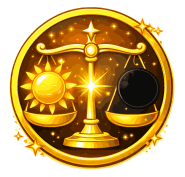
There are three Morality alignments:
☀️ Light.
☯️ Balance.
👤 Shadow.
👉 And every entity sits somewhere within that spectrum.
⚙️Morality Is About How You Operate
In Mythopouch, morality isn’t a judgment. It’s a description of behaviour.
It answers questions like:
Do you act openly or indirectly?
Do you prioritise fairness or advantage?
Do you seek harmony or control?
That’s why the system is split into three clear paths.


☀️ Light - Power in the Open
Light represents clarity, structure, and truth.
Light-aligned entities act openly. They value fairness, accountability, and order. They lead from the front and are willing to be seen, judged, and held responsible for their actions.
This is the realm of:
-
Integrity
-
Honour
-
Leadership
-
Law and structure
But Light isn’t perfect. As it moves down the scale, it becomes more complicated - from Pure and Noble through to Conflicted. Even those who aim to do the right thing can struggle when reality pushes back.
Light is not about being flawless.
It’s about choosing to stand in the open.

☯️ Balance - Understanding Both Sides

Balance sits in the middle for a reason.
Balanced entities don’t commit fully to Light or Shadow. They adapt. They observe. They respond based on the situation in front of them rather than following a strict path.
They represent:
-
Wisdom
-
Neutral judgement
-
Adaptability
-
Mediation
From Tempered through to Torn, these entities often face the hardest decisions. They see both sides clearly, which means they can’t ignore consequences.
Balance isn’t indecision. It’s awareness.
🌑 Shadow - Power Behind the Scenes
Shadow is often misunderstood.
It doesn’t mean evil. It means hidden. Shadow-aligned entities operate indirectly. They think strategically, protect knowledge, and often prioritise personal advantage or long-term positioning over immediate fairness.
This is the realm of:
-
Strategy
-
Secrecy
-
Independence
-
Influence
As the scale deepens from Grey to Corrupt, Shadow can become dangerous - but it can also be necessary. Some problems aren’t solved in the open. Some power only works when unseen.
Shadow isn’t darkness for the sake of it.
It’s control from behind the curtain.

The Morality Scale - A Spectrum, Not a Label 📊
Mythopouch takes this further with a full spectrum system.
Entities aren’t just Light, Balanced, or Shadow. They sit within ranges - from Pure to Corrupt - each with a specific tone like Heroic, Pragmatic, Selfish, or Cruel.
This matters because it removes extremes.
Not every Light entity is perfect.
Not every Shadow entity is evil.
Not every Balanced entity is safe.
Everyone exists somewhere in between.





Why This Matters in Mythopouch 🧐
Morality in Mythopouch directly shapes encounters.
It influences:
-
How entities react
-
How situations unfold
-
What choices feel natural or difficult
When you encounter an entity, you’re not just meeting a name or a stat block. You’re meeting a mindset.
The Mythopouch board game isn't just humanoid, monster or animal entities; some of them are not living but have morality of their own, like Excalibur - the sword that chooses the wielder to borrow its power.
👉 And that changes how your story develops.
